Bulky Floral Waste? Disposal Options in Putney
Posted on 01/06/2026
If you've ever stood in front of a pile of wilted bouquets, broken stems, soaked wrapping paper, and half-dead arrangement foam wondering what on earth to do next, you're not alone. Bulky floral waste can build up fast after events, weekly deliveries, office displays, weddings, or a difficult farewell. And in Putney, the smartest disposal choice is usually the one that keeps the space tidy, avoids unnecessary mess, and handles the waste responsibly.
This guide breaks down Bulky Floral Waste? Disposal Options in Putney in plain English: what counts as floral waste, which disposal routes make sense, where people commonly go wrong, and how to choose the most practical option for your situation. Along the way, you'll also find a few local and sustainability-minded tips that make life easier. Let's face it - nobody wants a hallway full of drooping lilies by Wednesday.
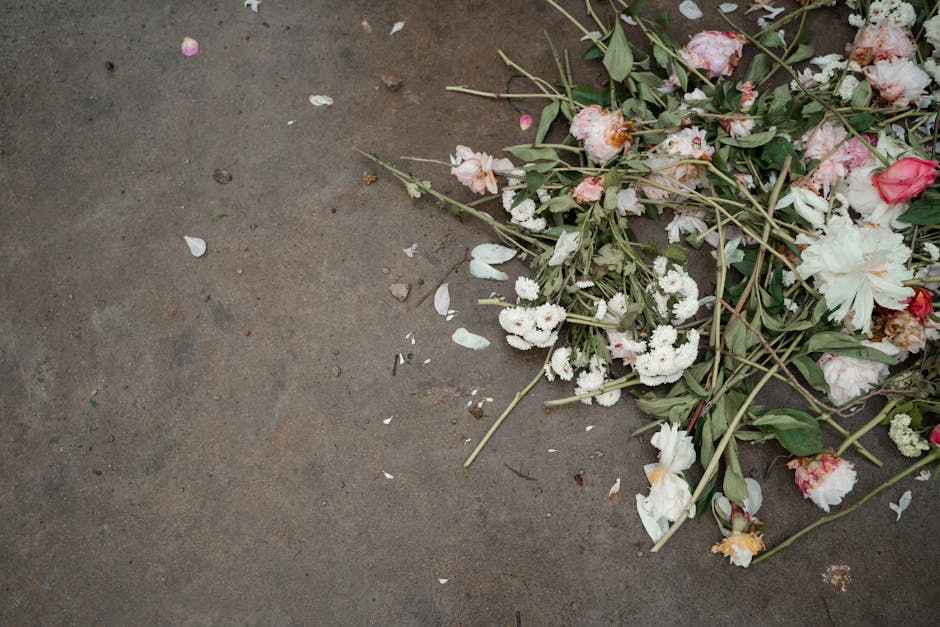
Table of Contents
- Why Bulky Floral Waste? Disposal Options in Putney Matters
- How Bulky Floral Waste? Disposal Options in Putney Works
- Key Benefits and Practical Advantages
- Who This Is For and When It Makes Sense
- Step-by-Step Guidance
- Expert Tips for Better Results
- Common Mistakes to Avoid
- Tools, Resources and Recommendations
- Law, Compliance, Standards, or Best Practice
- Options, Methods, or Comparison Table
- Case Study or Real-World Example
- Practical Checklist
- Conclusion
- Frequently Asked Questions
Why Bulky Floral Waste? Disposal Options in Putney Matters
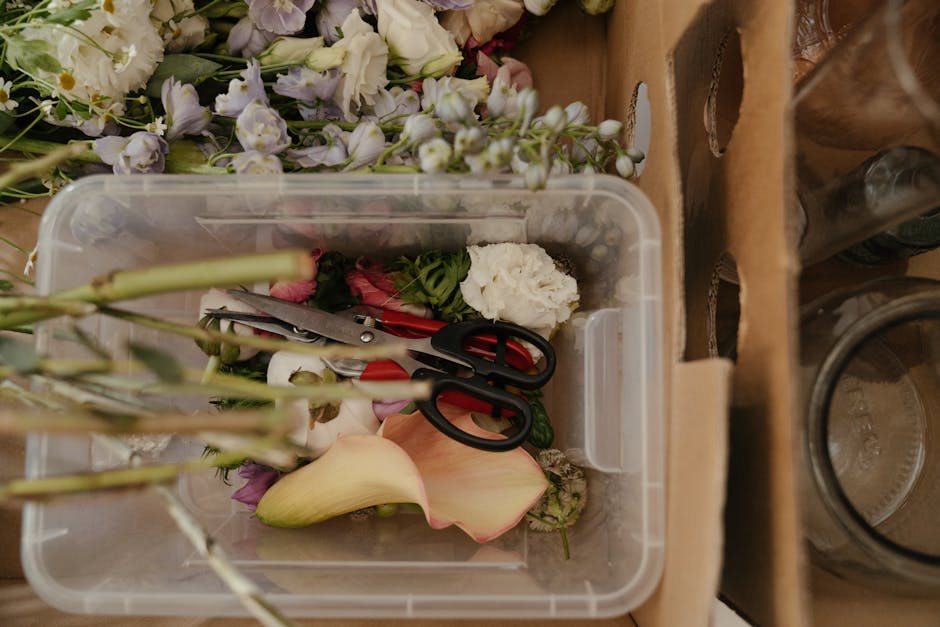
Floral waste is easy to underestimate. A single bouquet may seem harmless, but once you're dealing with event centrepieces, wedding florals, sympathy arrangements, corporate displays, or a big stack of delivery packaging, the volume can become surprisingly awkward. Bulky floral waste usually includes stems, leaves, petals, water-filled vases, cellophane, ribbons, cardboard, moss, and sometimes floral foam or other mixed materials.
That mix matters because not everything can be treated the same way. Clean green waste behaves differently from packaging waste. Wet flowers can create odour, staining, and a bit of a slippery mess. Foam and wire can complicate things further. In a busy Putney household, shop, office, or venue, leaving it too long can become a practical problem rather than a minor tidy-up job.
There's also the wider sustainability angle. A lot of people in southwest London are trying to make everyday waste handling more responsible, and floral waste is one of those areas where a small amount of planning makes a real difference. If you already care about sourcing flowers thoughtfully - perhaps through sustainability-minded practices or by choosing lower-waste arrangements from a local florist in Putney - it makes sense to think about disposal with the same care.
Expert summary: The best floral waste solution is rarely the fanciest one. It is usually the one that separates reusable, recyclable, and compostable parts before the waste becomes damp, bulky, or mixed beyond easy sorting.
How Bulky Floral Waste? Disposal Options in Putney Works
In practice, floral waste disposal works best when you treat it as a sorting exercise, not a single bin job. The main decision is whether the waste is clean organic material, mixed packaging, or event-scale bulk that needs a more deliberate pickup. Once you separate the components, the right disposal route becomes much clearer.
For example, fresh stems and petals can often be handled differently from plastic sleeves, ribbon, twine, and card inserts. A bouquet from flower delivery in Putney may arrive with minimal packaging, while a wedding installation may include significantly more mixed material. The same principle applies to memorial flowers, where the floral display itself may be biodegradable but the wrapping, mechanics, and support materials are not.
There are a few common disposal pathways:
- General household waste for small mixed leftovers that cannot be separated easily.
- Food and garden waste streams where local rules and collection arrangements allow clean plant matter.
- Composting for suitable stems and petals, provided contamination is removed.
- Dedicated collection or clearance for larger volumes after weddings, corporate events, or venue changes.
- Reuse or donation where flowers are still fresh enough to be repurposed into another arrangement.
The main thing is timing. Floral waste is easiest to deal with when it is still relatively fresh and dry enough to sort. Once water, pollen, or decay spreads through the lot, everything becomes more fiddly. Not impossible - just more annoying, and nobody needs that on a rainy Putney afternoon.
Local florists can also help by advising on flower types that hold up well, or by guiding you towards arrangements that create less waste in the first place. If you're planning ahead, it may be worth looking at flower care guidance so your arrangements last longer and generate less waste overall.
Key Benefits and Practical Advantages
Good floral waste handling isn't just about cleanliness. It saves time, reduces smell, makes venues easier to reset, and can help keep recycling or composting streams cleaner. In commercial settings, that matters even more because waste left in back rooms or shared storage can quickly get in the way.
Here are the main advantages of choosing the right disposal route:
- Cleaner spaces: Less mess, fewer stains, fewer sticky surprises near sinks and bins.
- Better hygiene: Wilted flowers and standing water can quickly become unpleasant.
- More recycling potential: Separating packaging makes recycling far more realistic.
- Lower disposal stress: Bulk collections or structured sorting are easier than dealing with everything at once.
- More sustainable outcomes: Compostable green waste is kept out of landfill where possible.
- Improved event turnaround: Helpful for weddings, corporate functions, and recurring venue work.
There's a slightly underrated benefit too: a proper disposal routine makes future floral planning easier. Once you know what happens after the flowers fade, you can choose designs, wrapping, and arrangements more intelligently. If you regularly send flowers for celebrations or sympathy moments, services such as send flowers in Putney and same-day flower delivery in Putney become part of a more complete, less wasteful cycle.
Who This Is For and When It Makes Sense
This topic is useful to more people than you might think. It's not only for venues or large households. In Putney, bulky floral waste can crop up in very ordinary situations - a birthday weekend, a wedding rehearsal, an office event, a condolence delivery, or simply a week where several bouquets arrive at once.
The most common groups are:
- Homeowners and renters dealing with multiple bouquets or leftover party flowers.
- Event organisers who need a quick reset after weddings, launches, or receptions.
- Offices and reception teams managing regular floral displays or client gifts.
- Florists and venue staff sorting old stock, returnable materials, and display waste.
- Families handling sympathy flowers after a service or memorial gathering.
- Cafes, salons, and independent businesses using flowers to keep a front-of-house space welcoming.
It also makes sense when the waste is not truly "waste" yet. Sometimes arrangements are only past their best for display, but still useful for petals, compost, photographs, or as donor flowers for a smaller vase. If the flowers still have some life in them, you may be better off repurposing before you dispose.
And yes, there are times when a florist choice arrangement from flower shops in Putney or a sympathy piece from funeral flowers in Putney naturally leads to more follow-on waste than a small hand-tied bouquet. That's normal. The key is having a plan.
Step-by-Step Guidance
Here's a practical way to handle bulky floral waste without turning it into a bigger job than necessary.
- Separate the material types. Put flowers, leaves, water, paper, plastic, ribbon, foam, and wire into different piles if possible.
- Remove excess water. Empty vases and buckets safely. Wet waste is heavier, smellier, and harder to handle.
- Check for reuse. Save intact ribbons, vases, baskets, or containers that can be used again.
- Sort organic from non-organic. Clean flowers may be compostable; plastic and foam generally are not.
- Bag mixed leftovers. If you cannot separate a small amount, contain it neatly so it doesn't spread around.
- Choose the disposal route. Use the most suitable option for the material and volume: household waste, composting, recycling, or collection.
- Clean the area. Wipe surfaces, rinse containers, and clear any dropped petals before they stain.
- Make notes for next time. If the same waste pattern keeps happening, you may need a different flower type, display format, or delivery schedule.
A little real-world example: if you've got a front hall full of wedding flowers the morning after the party, the clean-up often goes much more smoothly when one person handles sorting while another clears the room. Two people, five minutes, no drama. It sounds obvious, but it saves more time than people expect.
Expert Tips for Better Results
After seeing how floral waste tends to pile up, a few habits stand out as genuinely useful.
- Use lined bins or tubs for wet stems and water-heavy waste so leakage is contained.
- Keep packaging separate from the start. That means fewer accidental contamination problems later.
- Cut down waste at source by choosing arrangements with less complex wrapping where suitable.
- Reuse containers where practical. Glass vases, ceramic pots, and some baskets have a long second life.
- Rotate display stock. In shops and offices, use the first-arrived flowers first so nothing gets forgotten in a corner.
- Plan disposal around collection times. If you know when waste goes out, it is less likely to sit around overnight.
- Choose longer-lasting blooms when you can. That can reduce waste and improve value.
If you work with flowers often, the best results usually come from pairing sensible disposal habits with sensible buying habits. For instance, services like best flower delivery in Putney or cheap flowers in Putney can still be sensible choices if the arrangements are right-sized for the occasion and don't create avoidable leftovers.
One more small thing: don't underestimate scent. A bucket of tired roses in a warm room can smell lovely for about ten minutes, then less lovely after that. Seriously, sort it early.
Common Mistakes to Avoid
Most floral waste problems come from a few easy-to-make mistakes. The good news? They're easy to avoid once you know what to look for.
- Throwing everything into one bag. This creates mixed waste that is harder to recycle or compost.
- Leaving water in vases. It makes bags heavier and can cause leaks or odours.
- Forgetting about foam and wire. These materials can contaminate organic waste.
- Waiting too long. The longer floral waste sits, the harder it is to handle neatly.
- Assuming all plant matter is compostable. Not always true if it's coated, heavily treated, or mixed with non-organic materials.
- Ignoring packaging. Cellophane and ribbon are usually the first things to separate.
- Not checking local arrangements. Collection rules can vary, so it's worth confirming what your area or building accepts.
For businesses, there's another common slip-up: treating floral waste as an afterthought. In reality, it belongs in the same planning bucket as cleaning, restocking, and closing-up tasks. If you handle events or regular deliveries, a simple routine can prevent a lot of last-minute hassle.
Tools, Resources and Recommendations
You do not need anything fancy to manage floral waste well. A few basic tools go a long way.
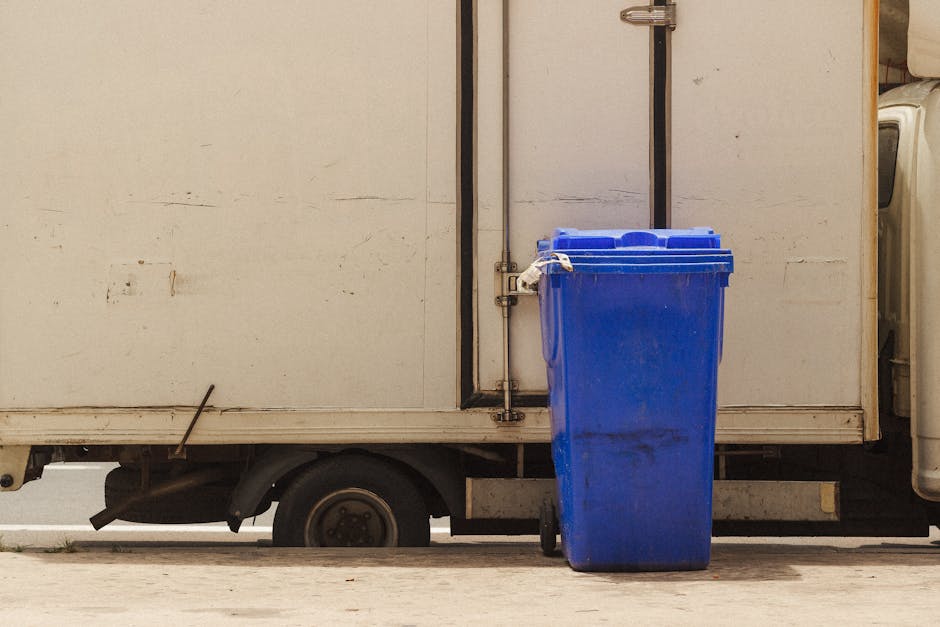
- Sturdy refuse bags for mixed waste and packaging.
- Separate tubs or crates for compostable stems and petals.
- Kitchen gloves or light work gloves for handling stems, thorns, and damp material.
- Pruners or strong scissors for breaking down large stems and arrangements.
- Microfibre cloths for wiping surfaces and trays clean.
- Labels or simple markers if several people are sorting waste together.
- Storage space for reusable vases, ribbon, and baskets.
For Putney customers, the most useful "resource" is often a florist who understands both presentation and aftercare. If a flower business is transparent about about us, guarantees, and delivery, that usually tells you they think beyond the bouquet itself. That matters when you want fewer surprises later.
If you order flowers for a recurring office, hospitality, or client-facing setting, it may also be worth reviewing corporate accounts so your floral supply and waste handling fit into a regular routine instead of being dealt with ad hoc every time.
Law, Compliance, Standards, or Best Practice
Floral waste disposal in the UK usually sits within broader waste-handling expectations rather than a flower-specific rulebook. That means the safest approach is to follow local waste guidance, separate materials where possible, and avoid placing contaminated or mixed waste into the wrong stream.
A few sensible best practices apply in most situations:
- Keep waste streams separate wherever practical.
- Avoid contaminating recyclable packaging with wet flowers or food waste.
- Store waste safely so it doesn't create slips, smells, or pests.
- Use appropriate collection methods for large or commercial volumes.
- Respect tenancy, venue, and building rules where relevant.
If you're operating a business, event space, or venue, the key point is consistency. Waste handling should be documented enough that different staff members do it the same way. That's especially important when floral waste comes with other event debris. Think packaging, broken stems, label cards, and glass. One messy pile can turn into five different waste decisions very quickly.
For customer-facing businesses, the wider compliance picture also includes trustworthy ordering, fair terms, privacy, and accessibility. Those are not floral waste issues as such, but they shape the overall service experience. It's worth knowing the basics of privacy policy, terms and conditions, and accessibility information when you're choosing who to work with.
Options, Methods, or Comparison Table
Choosing the best disposal method depends on how much waste you have, how clean it is, and whether you're dealing with a home, venue, or business setting. This quick comparison should help.
| Method | Best for | Pros | Watch-outs |
|---|---|---|---|
| Household waste | Small mixed leftovers | Simple and quick | Not ideal for large volumes or recyclable packaging |
| Composting / green waste | Clean plant material | More sustainable, less landfill | Must remove foam, plastic, and wire first |
| Recycling separated packaging | Paper, card, some containers | Reduces waste footprint | Contamination can spoil the load |
| Reuse / donation | Still-fresh flowers or containers | Extends value, less waste | Time-sensitive; not always practical |
| Bulk clearance or collection | Events, offices, venues, large deliveries | Efficient for larger jobs | Requires planning and may need a fee |
For most Putney homes, the answer is a simple combination: reuse what you can, separate compostable material, recycle the clean packaging, and dispose of the rest safely. For bigger jobs, that same logic still applies - it just needs a more structured collection plan.
Case Study or Real-World Example
Picture a small Putney event space on a Sunday evening. There are wedding table arrangements, a few larger sprays, ribbon scraps, stems in water, and a scattering of card tags from gifts and table names. Nobody wants to start Monday with all of that still sitting around.
The team's best move is to split the job into four passes. First, they remove the reusable vases and baskets. Second, they separate any clean paper and card. Third, they collect the plant matter into a compostable or green waste stream where possible. Fourth, they bag the mixed leftovers and clean the tables, floors, and sinks. It sounds simple because it is simple - but only if the sorting happens before the waste goes soggy.
What tends to go wrong? Usually one of two things. Either the mixed waste gets left in a single pile "for later," or the packaging gets thrown in with the stems because it looks faster in the moment. In real life, that creates extra work the next day. The room still smells faintly of roses, but not in a charming way. More like a reminder.
If the flowers were part of a wedding order from wedding flowers in Putney, the same space might also have had buttonholes, corsages, and table pieces. In that case, choosing a florist that offers a wide mix of products - from wedding table arrangements to wedding buttonholes - can help you plan both the display and the post-event clear-up more intelligently.
Practical Checklist
Use this quick checklist whenever floral waste starts to pile up.
- Have I separated flowers, packaging, and hard materials?
- Have I emptied any water from vases or buckets?
- Can any flowers still be reused or moved to a smaller vase?
- Is the packaging clean enough to recycle?
- Have I removed foam, pins, wire, and plastic ties?
- Do I know which waste stream the material belongs in?
- Is the waste bagged or contained so it won't leak?
- Have I cleaned the area properly after sorting?
- Do I need a bulk clearance rather than ordinary disposal?
- Should I adjust the next flower order to reduce waste next time?
If you can answer "yes" to most of those, you're doing well. Honestly, that is usually enough. It doesn't need to be complicated.
Conclusion
Bulky floral waste is one of those practical problems that feels minor until it suddenly isn't. Once the flowers wilt, the wrapping gathers, and the water starts to sit, the job becomes more about good habits than heavy lifting. The best disposal option in Putney is the one that helps you sort quickly, keep clean materials separate, and avoid turning a simple tidy-up into a bigger mess.
Whether you are managing a home, a venue, a workplace, or a memorial arrangement, the same principles apply: reduce waste at source, separate materials carefully, and choose the disposal route that fits the scale of the job. If you keep those basics in mind, the rest usually falls into place.
Get a free quote today and see how much you can save.
And if you're planning your next bouquet, event arrangement, or sympathy tribute, choosing thoughtfully now can make the clean-up kinder later. That's a small win, but a real one.
Frequently Asked Questions
What counts as bulky floral waste?
Bulky floral waste usually means larger amounts of spent flowers, stems, leaves, packaging, vases, buckets, ribbon, wire, and other mixed materials that are awkward to dispose of in one go.
Can I put flower stems in garden waste or compost?
Often yes, if the stems and petals are clean and free from plastic, foam, wire, and other contamination. If the waste is mixed, it may need sorting first.
What should I do with floral foam?
Floral foam is generally not treated like compostable plant matter. It should be separated from flowers and disposed of according to the appropriate waste route for your area or venue.
How do I stop floral waste from smelling bad?
Remove water quickly, sort the waste as soon as possible, and keep wet materials contained. The longer flowers sit warm and damp, the faster smells develop.
Is it better to recycle the wrapping or throw it away?
If the wrapping is clean paper or card, recycling may be possible. If it is contaminated with water, petals, or gluey decoration, it may no longer be suitable and should be handled as mixed waste.
What is the easiest disposal method for small amounts at home?
For a few bouquets, the easiest option is usually to separate reusable containers, remove any recyclable packaging, and dispose of the remaining plant matter in the most suitable local waste stream.
How should I handle floral waste after a wedding or event?
Sort reusable items first, then separate plant matter from packaging and mechanics. If the volume is large, a planned clearance or collection is usually far easier than handling it in bits and pieces.
Can flowers be donated instead of thrown away?
Sometimes, yes. If they are still fresh enough, some flowers can be repurposed, gifted, or moved into smaller arrangements. Timing matters here more than anything else.
Are sympathy flowers treated differently from other floral waste?
The disposal principles are similar, but many people prefer a more careful, respectful process. The flowers may still be reusable or compostable, while the packaging and support materials need separate handling.
Do florists in Putney help with lower-waste arrangements?
Many customers ask for arrangements that are easier to handle, last longer, or create less packaging waste. It is worth asking upfront if you want a cleaner and simpler aftercare process.
What if I have a lot of floral waste from an office or shop?
Then it is usually sensible to set a routine: separate materials, store waste safely, and plan a regular collection or disposal method that fits the amount you produce each week.
How can I reduce floral waste next time?
Choose the right size arrangement, ask for longer-lasting blooms, keep flowers cool and cared for, and avoid unnecessary packaging where possible. A little planning now can save a lot of mess later.
Is bulky floral waste a hygiene issue?
It can be, especially if it is wet, left too long, or mixed with food waste or standing water. Sorting and disposal sooner rather than later is the safest bet.